
Help extend roof life.
Address routine drainage, debris and roof-detail needs through timely, appropriate care. Roof condition, materials and exposure guide a plan that supports the roof’s useful service life.
COMMERCIAL ROOF MAINTENANCE PROGRAMS
Scheduled care. A documented condition history. A clearer capital plan.
Planned maintenance helps extend roof life, supports warranty requirements, and documents condition for the decisions ahead.
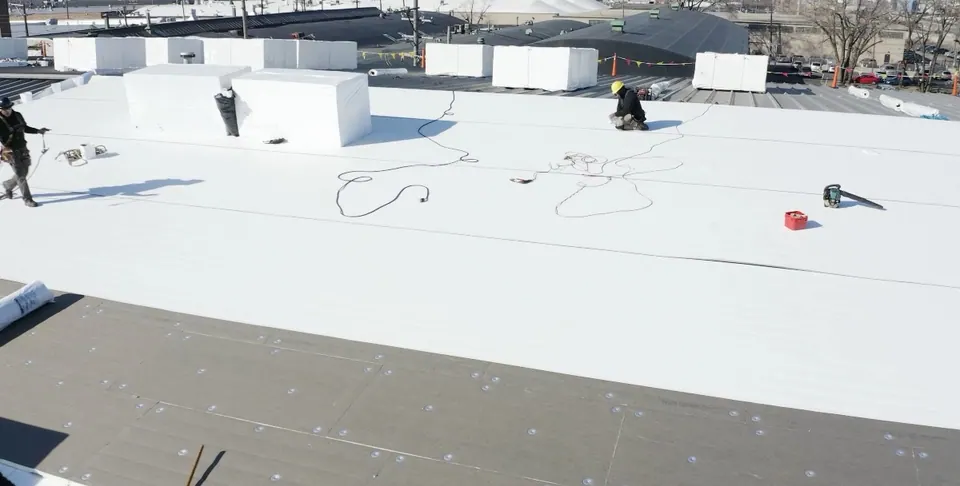
Commercial roof aerial · NCR published footage
01 / THE REASON TO PLAN
A maintenance program connects routine observations with the work and records a commercial asset needs.
Address routine drainage, debris and roof-detail needs through timely, appropriate care. Roof condition, materials and exposure guide a plan that supports the roof’s useful service life.
Review applicable inspection and maintenance requirements, then keep records of the agreed work. The actual manufacturer and installer documents govern warranty obligations.
Scheduled reviews help identify blocked drainage, open details and small defects before they develop into leaks and more costly repairs.
Keep dated photographs, findings and completed work together for capital budgeting. The record can also show observed conditions before a later storm and support a possible insurance evaluation.
02 / A DEFINED SCOPE
Select the services that fit the property. Frequency, included work, limits and access arrangements are confirmed in the written plan.
Semiannual roof reviews scheduled around the property and agreed service plan.
Property-specific observations after a qualifying event, with access and scheduling confirmed.
Clear accessible drains, scuppers and gutters, and review drainage paths within the agreed scope.
Agreed clearing of accessible roof debris, with disposal and access limits defined.
Review and reseal flashing and penetration details, with minor repairs included only as agreed in the written scope.
Dated photographs, condition findings, work notes and recommended next actions.
A planning forecast for anticipated upkeep and larger roof decisions, revised as conditions change.
A defined contact path and agreed response priority. Service availability and timing are confirmed in the agreement.
Keep each property’s record distinct while organizing ownership-level priorities.
Services are included only as agreed. Repairs, event visits, response availability and budget assumptions are defined for the individual property or portfolio.
03 / PROGRAM OUTLINES
Start with a program outline, then define the inspections, work and reporting around your assets.
A clear baseline
A scheduled inspection and documentation foundation.
Custom quote per portfolio
Planned care & budget visibility
Connect routine care with agreed repair and planning priorities.
Custom quote per portfolio
Portfolio-level coordination
Build a broader program around the properties you manage.
Custom quote per portfolio
Service frequency, repair limits, availability and exclusions are agreed in writing for each property or portfolio.
04 / WHO THE PLAN SUPPORTS
From a single building to a portfolio, keep the property’s use, access and ownership responsibilities in the plan.
Large roof areas, rooftop equipment and operating schedules.
Occupied premises, tenant access and coordinated store schedules.
Property-specific service records and a connected portfolio plan.
Shared assets, board records and planned expenditures.
Occupied facilities, access requirements and continuity of operations.
Community calendars and responsible stewardship.
Active facilities, access controls and academic schedules.
Building-level findings with an ownership-wide planning view.
05 / FROM ASSESSMENT TO RECORD
Agree on the work, carry it out on a defined schedule, and keep the next decision connected to the record.
Review the roof, available history, operating needs and locations.
Agree on inspections, included work, repair limits and communication.
Coordinate access and carry out the work within the defined plan.
Review photographs, actions and a rolling five-year planning outlook.
06 / THE OWNER’S WORKING RECORD
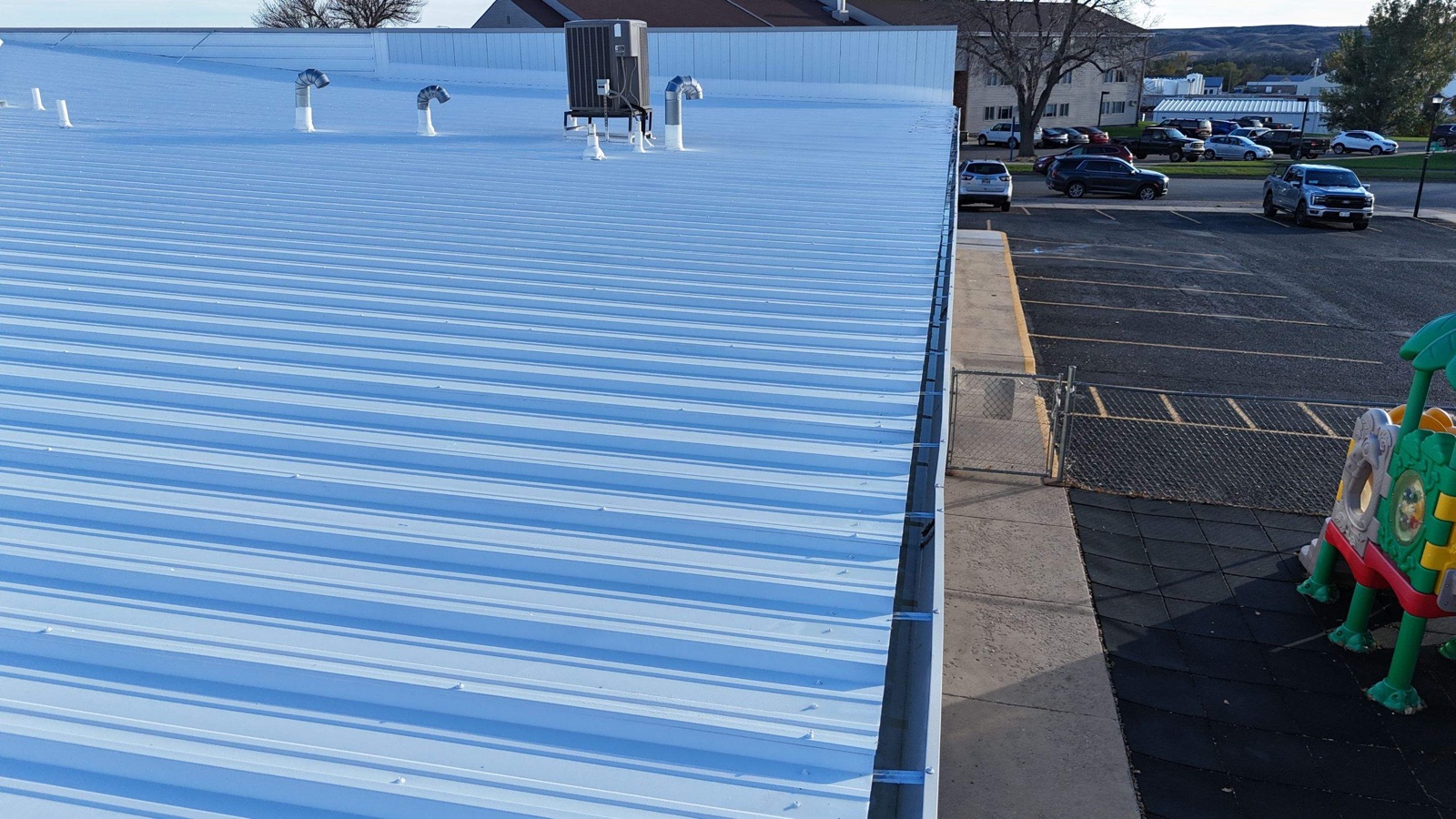
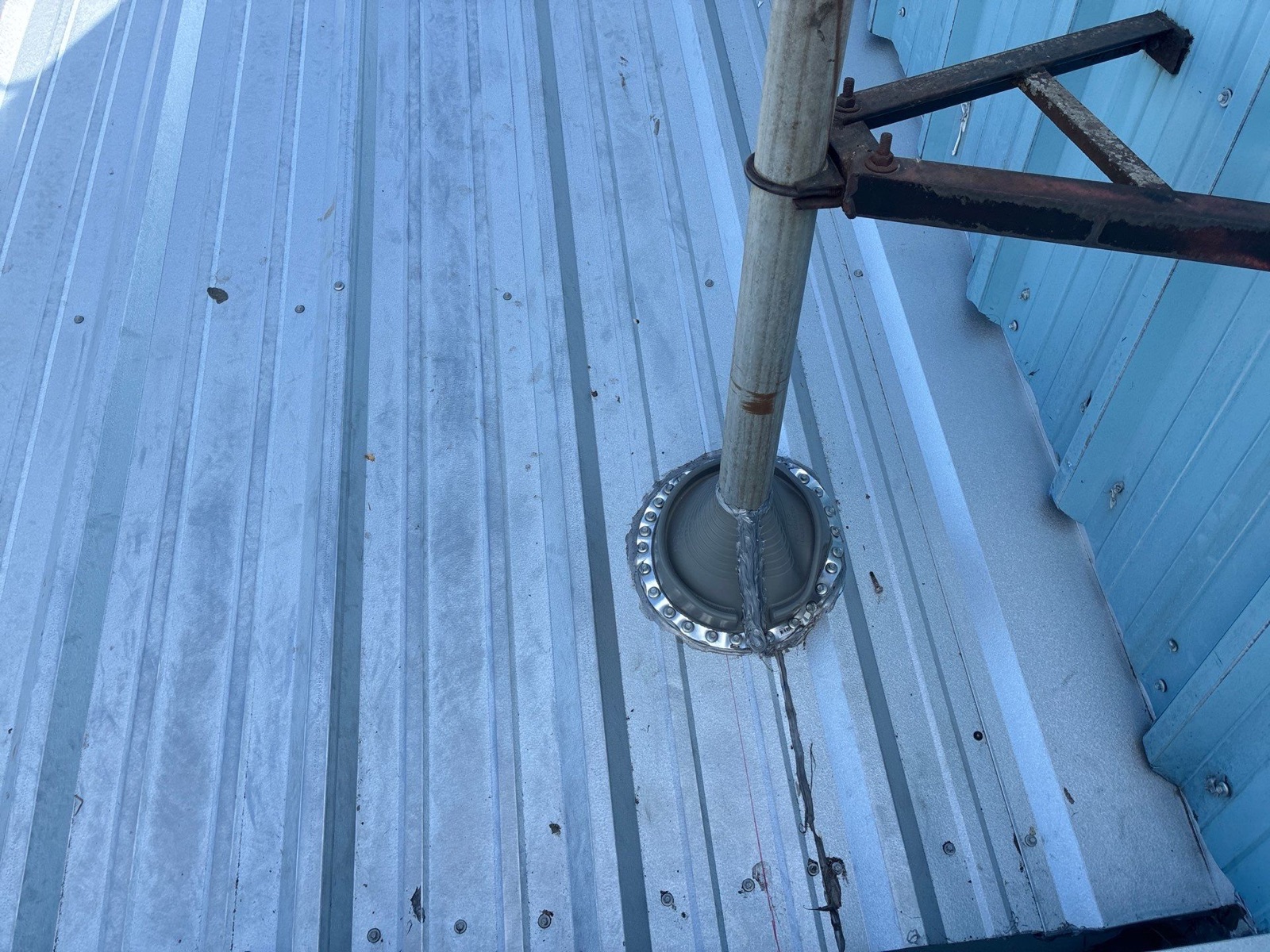
A useful report connects observations, photographs, completed work and upcoming decisions.
Findings and recommendations stay tied to the individual roof. The agreed program defines the reporting format and planning scope.
07 / KEEP THE RESPONSIBILITIES CLEAR
Each has its own purpose. Keep the roof record connected while the applicable agreements and policy govern their respective decisions.
Routine maintenance and wear-and-tear repairs are generally owner-budget items. Insurance may respond to covered sudden storm damage, subject to the actual policy and carrier’s determination. Dated maintenance records can help show observed roof conditions before a later storm.
Confirm the roof-system requirements for inspections, repairs, notifications and records. Manufacturer and installer terms determine the relevant warranty obligations and coverage.
NCR inspects, documents and presents roof findings, and can explain them alongside the carrier’s adjuster. NCR is not a public adjuster; the carrier makes claim decisions.
Coverage, policy terms, approved scope and deductibles apply. A maintenance plan does not determine insurance coverage or guarantee a warranty or claim outcome.
Programs can schedule semiannual inspections in spring and fall, with post-storm checks included as agreed. The written plan confirms the frequency, event triggers, access and scheduling for each property. Roof condition, system requirements and the applicable warranty documents inform that plan.
Routine care, aging and wear are generally maintenance expenses. Potential storm-related damage is evaluated separately under the actual policy. Coverage, approved scope, deductibles and payment are determined by the carrier. A maintenance program does not promise insurance funding.
Start with the cities, states and roof systems for each property. NCR confirms service availability, access and coordination before agreeing to a program. The written plan identifies the included assets, services and scheduling arrangements.
Warranty conditions vary by manufacturer, installer and roofing system. Review the actual documents for inspection, repair, notification and recordkeeping requirements. The agreed maintenance plan should reflect those obligations; warranty coverage remains subject to its own terms.
NCR documents observed roof conditions, photographs and proposed construction work, and can explain the findings alongside the carrier’s adjuster. NCR is a contractor, not a public adjuster, and does not adjust claims or negotiate settlements. The carrier makes coverage and claim decisions.
09 / START WITH THE PROPERTY
Request a free roof assessment to discuss the condition, history and maintenance priorities of your commercial property or portfolio.
NCR confirms assessment availability, access and the next agreed scope after reviewing your property details.
(888) 309-4440Your details are used to respond to this maintenance request.