
An interior view is only part of the picture
A dry occupied space is welcome news after a storm. It is not a complete condition report for the roof above it. Commercial owners make better decisions when they separate the immediate question—whether water is entering the space—from the broader question of how the roof system is performing.
That does not mean every nearby hail report justifies replacement. It means the decision should come from the building’s conditions, the roof system involved, and a qualified assessment. Neither the absence of a leak nor the presence of a storm is a substitute for those findings.
Different materials call for different observations
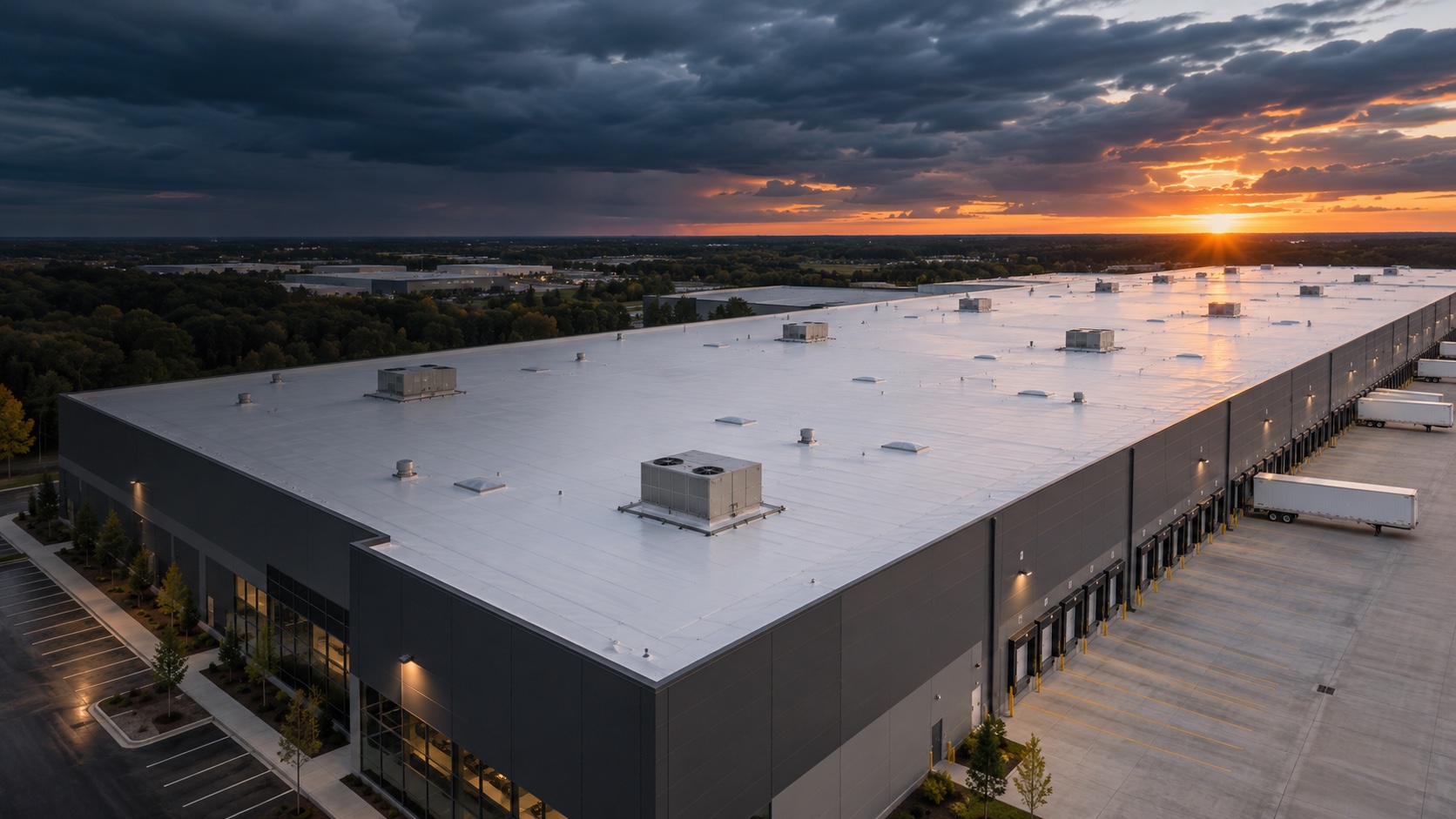
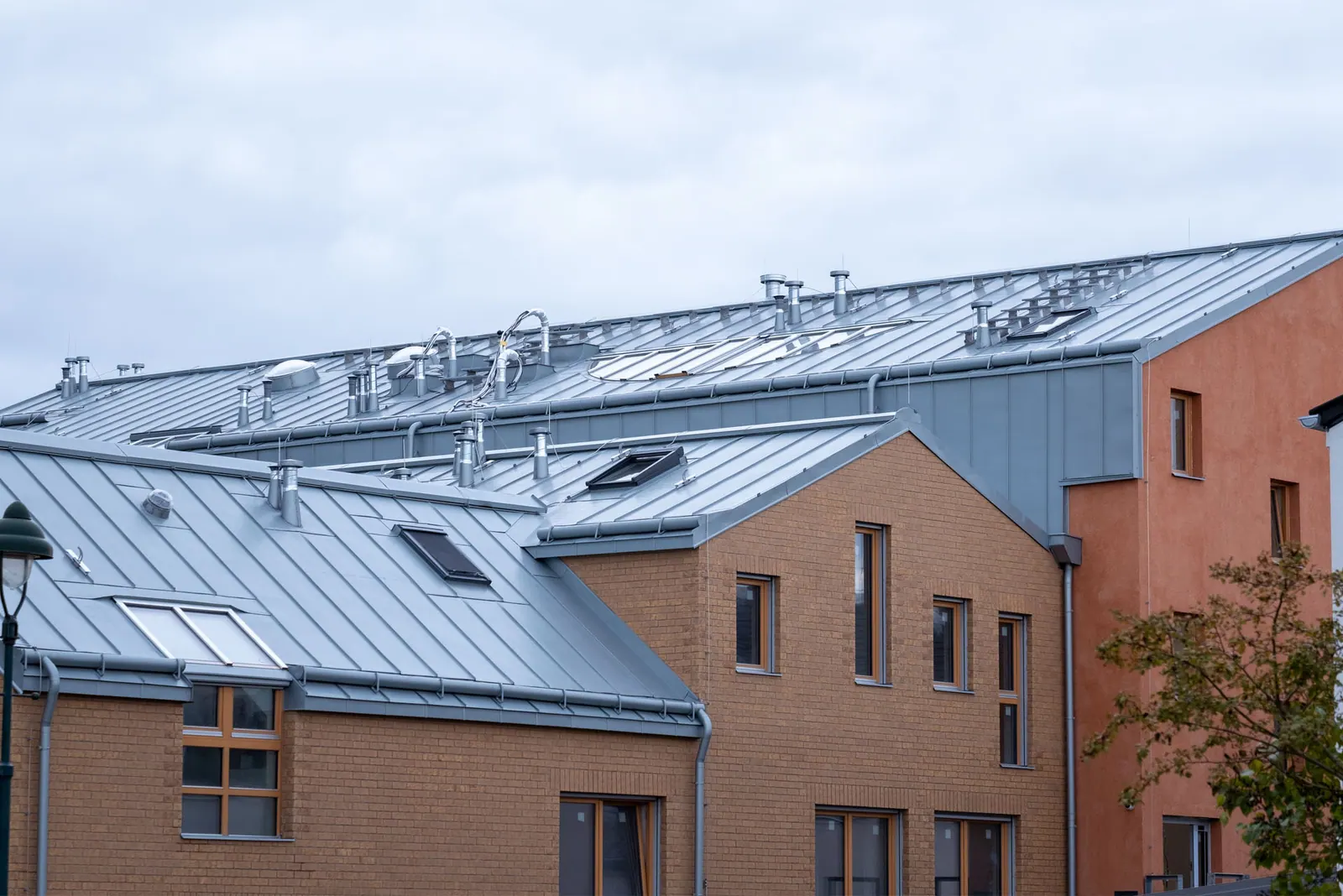
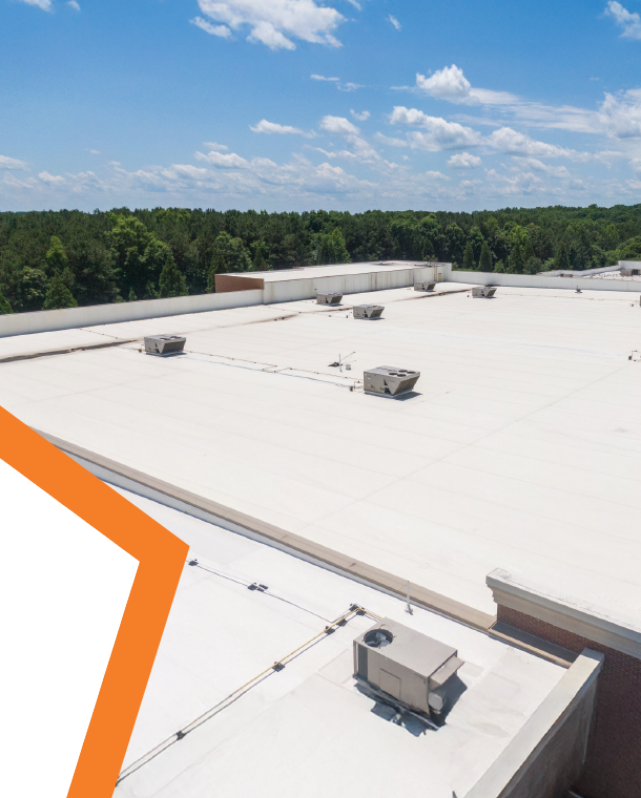
The inspection approach should reflect the installed system. A metal roof, a single-ply membrane, and a granule-surfaced roof do not present the same details. Ask the inspector to identify the system and explain which observations are relevant to that material and its components.
For example, GAF’s technical bulletin on granule-surfaced membranes describes hail-related granule displacement and notes that some latent effects may not be apparent during a visual examination. This is specific technical guidance for that type of membrane, not evidence that any individual NCR customer’s roof has hidden damage.
Ask for findings that can be located and explained
A useful assessment allows someone else to understand what was observed and where. Request photographs and notes connected to identifiable roof areas. Ask the assessor to distinguish an observation, a possible explanation, and a conclusion that requires further investigation.
The record should also explain the limits of the visit. Access may be restricted, some roof sections may be concealed, and a visual review may leave questions unresolved. A clear statement of what was and was not examined is more credible than a confident answer unsupported by the inspection.
- What roof system and areas were assessed?
- Which conditions were observed and how were they recorded?
- What is known about the condition, and what is still uncertain?
- Would additional investigation change the recommended scope?
Keep the building history in the discussion
Bring previous assessment reports, repair invoices, available roof drawings, and a log of past interior water observations. If a tenant reported a change, preserve the original message and identify the location. An inspection is easier to interpret when the team can see the sequence rather than an isolated snapshot.
Be precise about dates and avoid filling gaps with assumptions. If the roof age or earlier repair scope is unknown, label it unknown. An incomplete but accurate history is a better starting point than a polished account that cannot be verified.
Understand what a recommendation does and does not decide
The construction recommendation should connect the documented conditions with an appropriate next step. Depending on the findings, that might be further investigation, a defined repair scope, or a larger restoration discussion. Ask why that option fits the property and what information could change it.
Technical assessment and insurance evaluation answer different questions. A roof report describes the physical findings and proposed work; coverage and funding are evaluated under the applicable policy. Avoid treating either a contractor’s recommendation or a weather report as a promise of payment.
Arrange the assessment safely
Do not climb onto the roof to decide whether a professional visit is worthwhile. OSHA’s recovery guidance describes hazards that also apply to experienced roofing workers. Share safe observations, access information, and property records with a qualified roofing professional instead.
For ownership, the value of an assessment is clarity. You should leave the conversation knowing what was observed, which questions remain open, and what the proposed next step will establish. NCR’s focus is to connect that understanding with a documented commercial restoration path when work is needed.