Coordinate the response without combining the facts
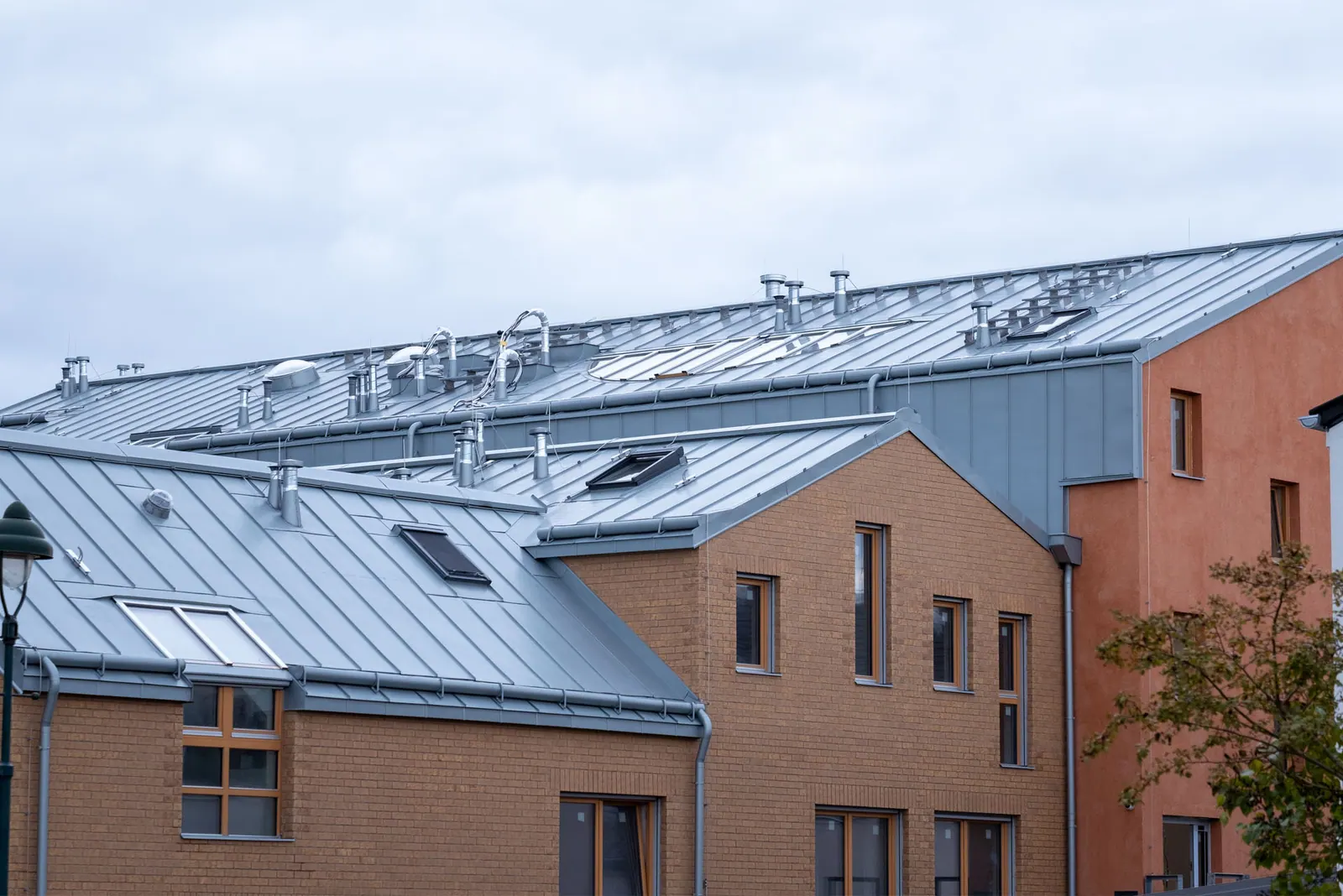
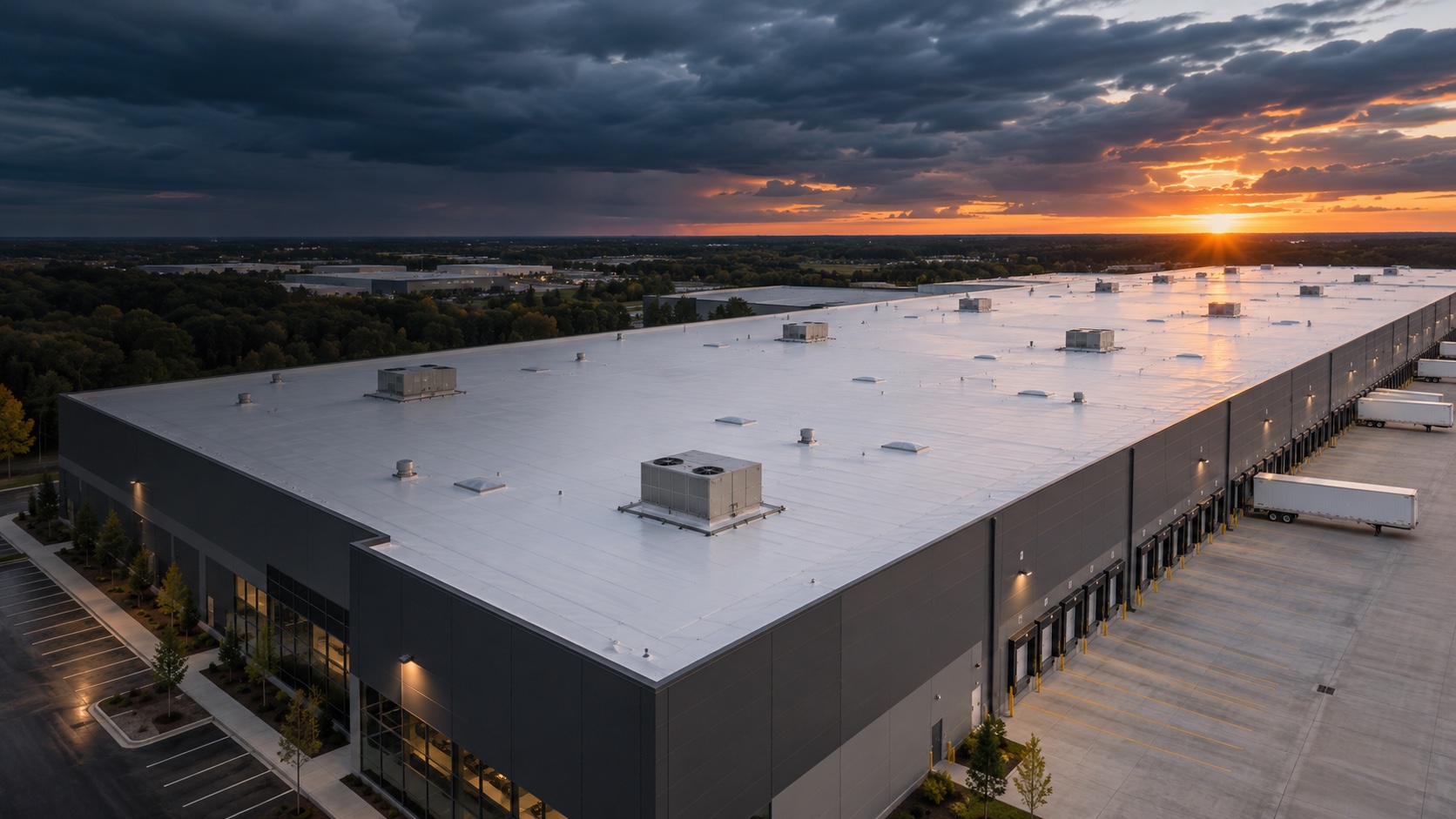
When one storm affects several assets, ownership needs a portfolio view: where problems are being reported, who is responding, and what decisions are waiting. Each building also needs its own record. A roof at one address should not inherit the findings, scope, or assumptions from another.
The practical challenge is consistency. Use the same basic questions across the portfolio while allowing the answers to differ. That makes the information easier to compare without suggesting that similar-looking buildings necessarily sustained the same damage.
Name the people before assigning the tasks
Identify an ownership coordinator and a local contact for each affected property. Record who can arrange access, who can approve a site visit, and who handles tenant or operational communications. If an approval requires someone else, make that handoff visible.
Emergency plans and continuity guidance from New York City emphasize communication, key activities, contact lists, and accessible records. Applied to a property portfolio, those principles help prevent separate managers from unknowingly duplicating instructions or leaving a task between teams.
Use one intake format for every property
Give every building a stable identifier and a short intake record. Keep the list simple enough that a local contact can complete it accurately. Use an explicit unknown where information has not yet been checked instead of turning a blank cell into an assumption.
A portfolio tracker should point to the building’s evidence folder rather than becoming the only record. Keep photographs, inspection documents, scopes, and decisions with the relevant address. The summary can then be updated without losing the detail behind it.
- Property identifier, address, and local contact
- Reported concerns and current access restrictions
- Inspection status and the date of the latest update
- Assigned action, responsible person, and next decision
Set priorities from conditions and operations
Start with the established emergency response process for immediate hazards. Roof access and emergency work belong with qualified personnel; staff should not enter unsafe areas to complete a tracker. A request for better data should never override a safety restriction.
For the remaining coordination, distinguish reported concerns from confirmed findings. Consider the building’s use, access, critical activities, and the information still needed. Have the appropriate professionals advise on physical conditions rather than ranking severity solely from an owner spreadsheet or the largest-looking photograph.
Keep commercial decisions traceable
Record which scope version was reviewed, who approved an action, and which questions remain with the roofing team or carrier. If a scope changes, preserve the earlier version and note the reason. Make it possible to follow the decision without relying on one person’s inbox or memory.
A consistent structure does not mean a single insurance outcome. Properties can have different roof systems, histories, policy terms, and observed conditions. Keep the physical findings and carrier discussions distinct for each asset, even when the same people coordinate the portfolio.
Close the loop and improve the next response
At the end of the activity, reconcile the summary with each property file. Note completed work, outstanding questions, documents received, and the person responsible for the next action. Store the record in a company-controlled location that the relevant team can access.
Then review the coordination itself: which contact was difficult to reach, where access slowed the visit, and what information was repeatedly missing. Updating those practical details makes the next storm conversation easier. NCR can discuss one property or multiple assets, with the evaluation organized around ownership priorities and property-specific evidence.